
This is an old revision of the document!
Article Sections
Definitions and Terms
Unit Definitions
Thug
A broad brush term for a single unit that can take on a large number of units solo (or with pointbuffs/gear). Notably a 'thug' does not need to fight alone (and you can often fit multiple to a square), but the idea is the 'thug' is the only unit left in combat when all the buffing and preparatory work is done.
Light Thug
This is usually a thug that is specialized to take on small volumes of PD. Traditionally these are made as gem-cheaply as possible
Heavy Thug
This is a thug that can generally take on any volume of PD. These can typically also take on any volume of human, mageless troops. These are often still vulnerable to stronger infantry types (like barbarians and giants)
Supercombatant (SC)
A Supercombatant (abbreviated SC) is a single unit designed to take on a substantial army - either with mage support or without
Fluffer
A unit whose job is to buff a thug or supercombatant then retreat.
Other Important Definitions
Armor Defeating Hits:
These are hits that ignore 25% of prot and occur at increased frequency at 50-99 fatigue and 100+ fatigue. They are a common cause of thug death.
The Defensive Onion
Essentially this refers to the multiplicative benefit from different layers of defense. Having for example 3/4 attacks miss due to high defense and another 3/4 due to body ethereal, and another 1/2 due to awe has a multiplicative benefit - the thug gets exponentially stronger for each defensive layer you add.
Thug/Supercombatant Bless
A bless designed to make thugs or supercombatants better. As a rule of thumb - these blesses focus on the defensive layers of the thug, be it adding resists / reinvigoration, or an incarnate like regeneration or awe.
Counter-Thugs
A 'thug' geared specifically to kill an opposing thug.
Non-Exclusive Terms used to describe thugs
- Protection Thug A thug that relies on high protection
- Defense Thug A thug that relies on high defence to not get hit
- HP Thug A thug with lots of HP and some way of regenerating it
- Repel Thug A thug that stays alive by passing repel checks (typically wielding a longspear or whip)
What is a Thug or Supercombatant and why do I want one
Broadly – a Thug or Supercombatant is a heavily buffed unit that can fight a large volume of units. The basic idea is they are close to impervious to damage against their targets, so they can kill a lot and can fight without an army behind them. They usually have some gear - and are ways of converting gems and possibly mage turns into PD killers - or even army killers.
Conceptually there's really 3 main types of thug - and different players use the definitions interchangeably. These are
- Light Thug
- Heavy Thug
- Supercombatant
Note There are some specialized use cases as well (Counter thugs, Army Thugs (offensive), Army Thugs (Defensive)), but for this section - we will focus on the thugs that can take provinces - as that's what most players are referring to when they say 'thug' as opposed to army thug or counterthug.
Light Thug
Light thug:

This is the most common type of thug - and what most players are referring to. These are units or summons with 0-15 gems worth of gear that can take on PD or small armies either alone, or with a few fluffers. These are low investment raiders that can cheaply take a border province or the like. A great deal of light thugs will fail into high volumes of PD but succeed against low volumes I will present a few examples of different types of light thugs.
Light Thug Examples
- A Geronte from Mekone with blacksteel plate (casting fire shield turn 1).
- A Polemarch from Mekone casting spells on itself (no gear or fluffer required)
- A def-stacked (bless) elvish commander with barding and a frost brand.
- A Bane (summon) with a thunder whip and a ring of the warrior. Possibly Lightly Fluffed by a Lizard Shaman (Body Ethereal + Barkskin (with 1 gem))
- A Jotun Werewolf with boots of the messenger and blacksteel plate.
- A ungeared sauromancer from Ctis casting soul vortex t1, and invulnerability t2
- A Priest Smith from MA ulm wearing armor and a helmet casting a range of self buffs (e.g. Earth Power, Body Ethereal, Fire Shield, Temper Armor, Ironskin)
Heavy Thug
Heavy Thug:

This is the second most common definition of thug. Essentially - these units are self-sustaining and can deal with any amount of PD or unbuffed infantry. They typically cost more gems and require higher research.
Heavy Thug Examples
- A Twiceborned Sauromancer from Ctis with high prot armor/helmet and a shock spool casting Soul vortex, Invulnerability and with a fluffer giving it body ethereal
- A empowered golem with armor and reinvigoration items that casts phoenix pyre turn 1
- A Vampire Lord with Blacksteel Plate armor casting Soul Vortex, Invulnerability, Reinvigoration t1-3
- A Very carefully and heavily geared Priest Smith (using as an unconventional example) - with say +4 reinvigoration on the bless, fire shield, a fluffer for Body Ethereal, a smattering of buffs (Ironskin, Fire Shield, Temper Flesh, Temper Armors, Earth Power, a Shock Spool and some form of HP regen (lets say a ring of regeneration)
- A heavily fluffed and highly geared Chud Jarl (MA Vanarus) with a thug bless (resists + say some reinvig) (say Ironskin, Body Ethereal, Regeneration, Quickness, Mistform, Blur and Mossbody are all fluffed)
- As an aside - MA Vanarus doesn't 'have' to use the chud for this - but the sacred is a nice example as it requires fluffers and can accept a thug bless well.
A word of caution
Many players have split opinions on the value of these thugs (both specifically and in principle) - since losing them is incredibly expensive and they're ultimately not targeting armies the way a Supercombatant would. Some of the specific units (such as the Phoenix Pyre golem) have historically been divisive due to the very high cost.
Two huge boons on this type of unit are magic phase movement (so they can pick their battles), and having access to stealth gear (glamor) on a scout so they can sidle away, safe from the risk of counter-thugs. They both substantially reduce the risk of losing the thug.
Supercombatant
Supercombatant (SC)
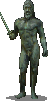
Most people separate their definitions of Supercombatants from thugs - but the definition of a light Supercombatant and heavy thug can bleed together. Supercombatants can deal with player armies and sometimes even mages. They vary in how difficult they are to answer - a 'light supercombatant' (E.G. an Ifrit Sultan) may have some pronounced weaknesses - whilst a 'heavy supercombatant' (e.g. bronze colossus) may be incredibly difficult to deal with until the later phases of the game. As a rule of thumb, Supercombatants (as things that want to drop on armies) benefit massively from having a magic phase movement option (teleport/cloud trapeeze), as it allows them to connect with important targets.
Supercombatant Examples
- A Bronze Colossus pretender with blacksteel plate (spamming shockwave) is a classic Supercombatant
- A twiceborned musphel jarl (with D2) and a regeneration bless casting phoenix pyre, invulnerability, soul vortex
- An Ifrit Sultan casting phoenix Pyre turn 1 with enough reinvigoration to be fatigue positive (and maybe a life drain weapon)
- A heavily geared Tartarian (level 9 spell)
At core - the different types of thugs fill different roles
- Light thugs tend to be designed to harry border provinces and bottleneck an opposing player
- Heavy thugs tend to do best against troop heavy - mage light stacks.
- Supercombatants can deal with mage heavier stacks and win a war on their own
An Aside on Thug Blesses
Since thugs come online in the midgame, there's a tendency for these lines to be dormant incarnates or imprisoned, as there's less opportunity to utilize the bless at early research. Ironically - these blesses tend to either have quite high scales and be targeted at the mid-lategame, or be hellblesses with lots of incarnates - focused on supercombatants. A Demilich (with around 19BP and 7 dominion) is a classic chassis for this type of build if imprisoned, since the combination of the hard to answer thugs and Demilich make a nation incredibly awkward to fight in the mid to lategame, and it only tends to drop 1 scale from a comparable rainbow pretender (at that dominion score)
Why Use Thugs Instead of Troops
Thugs have a few advantages over regular troops.
- Most of their cost tends to be tied up in gems - not gold (from itemization), or mage 'fluffers'. So they are a 'gold cheap' way of raiding
- Layered onto this - thugs are a way of turning gems into war value - and if the thug isn't lost, that value sticks around (as opposed to battlefield spells and the like). Particularly at around const5, it can be difficult for some nations to convert a nations gems into efficient combat value without thugs.
- Thugs can stackwipe large volumes of units for relatively low committment
- Thugs are less obvious on the game map and can be hidden / the items shuffled around
- Thugs tend to be more mobile than armies - especially if given boots. This means they threaten different tiles and it can be difficult to guard against the tiles they threaten
- Thugs can solve problems that units can't. For example, a big stack of infantry may be very hard to deal with for a nation with bad infantry (like xibalba), but a heavy thug or supercombatant may easily be able to deal with said stack
- Thugs can be difficult to deal with. It is another vector of attack for some nations that requires specific, targeted answers
- As an intermediate guide - we'll glance over a relevant point on this - which is if someone deploys a thug 'answer' (be it mages or a counterthug), the answer tends to be considerably more gem efficient than the thug (and if they take the items, it's both a big gem loss for you and a gain for them).
- Thugs can take your opponents completely by surprise. Their armies might be geared towards your regular armies and mages - so when met with a thug in a magic phase attack might not have the tools to deal with said thug.
- There's a cool factor. It's fun to see a single unit wipe out a stack.
The Most Common Traps In Thug Building
Fatiguing out and Dying to Armor Defeating Hits
When fatigued out - you take 1/6 armor defeating hits (see below) as opposed to 1/36. It is hard to overstate how significant this is. A lot of players 'end' their buff script on a big spell, such as Hell Power, or Foul Vapors. However if that fatigues out a thug - the armor defeating hits will often kill it before it wakes up.
Armor defeating hits are doubly dangerous. Not only do they lower prot by 25%, they do so when you roll low on RNG. This means you're both on a lowroll, AND at 25% reduced prot. Typically - if an enemy unit gets a lucky roll - its these hits that deal most of the damage.
And just to add insult to injury, every 10 points of fatigue also lowers your defense rolls by 1 - up to -10. This means you take more hits as well
A simple example Say you have 29 Prot and roll a 3 when fatigued out (1/12 fights you roll a 2 or 3). You end at 25 prot (29-7+3). Meanwhile an opposing heavy infantry with a mere 16 damage highrolls a 12 (not that big a highroll with exploding DRN - it's exactly 1/6 for 12 or higher).
- It's going to deal 3+1 damage (plus 25% on 3 due to slashing modifier for 4 total) - despite you having 13 more prot than its damage. And you may be tanking dozens of hits each turn, so this 'highroll' is quite likely to happen fairly quickly.
- Comparatively (without fatigue penalties) - at 29 prot rolling a 3 without fatigue penalties that 12 doesn't even make it close to the armor 28 v 32 armor.
Layered onto that - if a bunch of units are attacking (say full surround of 8X3 = 24) - you're going to average about 4 armor defeating hits per round, and .667 hits per round rolling over 12. That can easily overcome any regeneration a unit might have - since there will be occasions where you suffer 2 hits in a round (or worse). If we say a unit is not fatigued, this drops to .11 per round (armor defeating and 12+), which is much more manageable from a regeneration perspective (let alone the extra attacks that miss due to the lower defense penalties).
I apologize if the below math is bad - statistics is not my forte and I used chatGPT to help
A second example - Prot Tanking 28 damage Giants at 32 prot
- A fatigued unit suffers approximately 6.79 damage/round in this scenario as opposed to an unfatigued unit suffering 2.91 on average - or +133% expected damage at these prot scores.
- Just for comparison - at 28 Damage (aka a giant) into 32 prot and 2 per square (16xturn) - we average
- 1 in 5.12 hits without fatigue
- Averaging 6.59 damage/hit
- 20.612 damage/round
- 1 in 3.59 hits with fatigue
- 92.4% more damaging hits
- Averaging 8.9 damage per hit
- 39.66 damage/round
The lesson here is to not prot tank giants
Overinvesting
The whole point of a thug is it is supposed to be efficient. If you're investing 50 gems, that could otherwise be put towards a global, or battlefield spells, or sitesearching remotes (etc), there are often diminishing returns unless you're making a super-combatant. Worse - if you overinvest - you create a giant neon target over the thug that screams 'loot pinata' - both increasing the risk of losing it - and rewarding your opponent for killing it.
Essentially - if you have a unit that's only going to clear PD, how many gems is that 'really' worth as opposed to just recruiting a few more troops. If you are losing 15-20 gem thugs here and there, it will not take much time before the losses become crushing (especially earlygame).
Over-Aggressive Positioning
As an extension of Trap 2 - if you put a bunch of gems into a unit that can only really kill PD or unprepared forces - you generally don't want to be too aggressive as the cost of losing it is significant. Although there can be value in being aggressive and unpredictable with thugs - the gem cost of losing them is significant. The more forward positioned they are, generally the more vulnerable they are to counterthugs and opposing player tricks.
Over-Reliance
Thugs lack the siege power to knock down fort walls and generally can't 'hold' lands from players retaking them - particularly those next to a fort/palisades. Sending millions of thugs everywhere may be cool, but ultimately if you can't take forts, it's going to be a problem, and they're going to get chipped away at by counter-parties. Worse, thugs tend to be mages, so your research is falling behind when doing all this. Worse still - thugs tend to be really irritating, so if you raid someone to hell and don't finish them off, you may be in for a long and costly war. Thugs work best when doing a decisive raid right before a big army fight so they can get back to researching or join up with the main army, or when chipping at otherwise undefendable border provinces. Plinking all over the place without a clear purpose tends to be a mistake.
Ultimately, thugs (particularly light thugs and raiding thugs), are generally not a players main army - and it's important to be able to win the army fights as well as raid your opponent. Otherwise, ultimately the land thugs claim will likely be reclaimed, and when the inevitable army fight comes, there's a risk that a player over-relaint on thugs isn't ready for the big battle that may require troops and different (non-thug) magic as well. This becomes more apparent when you consider as well all the turns the thug 'isn't' researching and all the turns spent making gear for them.
Of course, there are thug lines that convert well into stackfight lines, but the basic point remains - you need to be able to win the big fight at some point as well. It's often a mistake to place all of ones eggs in the thug basket.
Heavy thugs and Supercombatants can be an exception to this general rule as they can wipe out stacks and bring a quick end to a war. However if they fail or are killed - it can also be crippling. Generally - players with no other threats to deal with can muster up some sort of response to a heavy thug or supercombatant (even if via trade) so they're still best used in conjunction with other tools.
Important Mechanics
The Defensive Onion
This is one of the core concepts of building a thug - since the DRN system tends to mean any 'one' stat even if stacked really high is unlikely to negate all attacks. The Defensive Onion is the layering of defenses to exponential effect. Essentially - defensive layers have an exponential not a liner effect.
- If a unit attacks something with a 50% chance of hitting, and the defender has another buff that reduces the hit chance by 50%, only 1/4 attacks will hit. In other words - the first buff will block '1' attack and the second buff will block '2 attacks' (and so on).
So the basic idea is you want to layer defenses. Lets take a simple example. We have a G2 mage. We give it some heavy armor (hard to hit), some reinvigoration on the bless (doesn't fatigue out), some defense on the bless (hard to hit), it casts shroud of bewilderment (hard to hit), and a fluffer casts Body Ethereal (hard to hit). Lets say each of these layers blocks 3/4 attacks. Well at that rate - only 1/256 attacks is getting through. And that's just 4 layers. Add on mirror images and some regen, and this thug becomes very hard to kill through ordinary means.
The way the DRN system works - it tends to be best to layer 'different' defenses or checks than just to force one. So high defense + high prot tends to be better than pushing the prot that little bit further.
Finally - due to armor defeating hits - prot is arguably the weakest part of the onion. Because it's so easy to buff however, it's typically the one that gets the most focus.
Some Combos (Many thanks to Soron)
- Mistform + Body Ethereal
- Protection buffs + Regen. (Often has fatigue issues with Armor Defeating Hits)
- High defense + Mirror image + Shroud of Bewilderment
- Fear + Awe
Some Important Onion Layer Spells earlygame
- Shroud Of Bewilderment / Awe (adds a layer to self)
- Body Ethereal (Adds a very powerful layer to an adjacent unit at S1
- Mistform/Mossbody (adds a very powerful layer to an adjacent unit at harder to reach paths
- Skin Spells (Barkskin/Stoneskin/Ironskin) - both self cast and on another unit
- Summon Earth Power (The ONLY source of reinvigoration through magic earlygame (soul vortex later)
- Regeneration (Hard to cast but worthwhile. Also Personal Regeneration
- Bless (Sounds dumb but a thug bless can go a long way)
Some less core but still valuable spells
- Temper Armor (Generally easily accessible)
- Furious Warriors (Not great but can help a repel thug)
- Temper Flesh / Personal Quickness / Liquid Body etc (self buffs)
- Luck (it's not awful but if your thug is risking death - something has already gone terribly wrong)
- Enlarge (rarely core but it can help a HP thug a little)
- Cold and Fire Resists (can reduce the fatigue impact of heat or cold scales).
Armor Defeating Hits
https://illwiki.com/dom5/dom6/protection
These hits ignore 25% of prot in addition to only procing on low prot rolls. They tend to do a lot of damage and misunderstanding this mechanic is one of the most frequent causes of thug death. When the defender rolls their prot roll against the attackers damage roll (2d6 exploding) if they roll a 2 – (1/36) it’s an armor defeating hit. If their fatigue is 50-99 this is 2-3 (1/12) and if immobilized (entangled or fatigue > 100) it is 2-3-4 (1/6). Then damage type modifiers (like slashing are added) – which can often stack on the damage after the armor has been reduced.
For example – a 24 Prot unit is hit by a 16 damage armor defeating slashing hit. You roll say a 3, and they roll an 8 (fairly standard). So 24 Prot – 6 = 18 prot total. And the hit deals 24 (so 6 damage) plus slashing modifier – 7 damage total.
In a thugging situation you will receive many hits. The difference between 1/36 armor defeating and 1/6 is significant.
Fatigue Management
https://illwiki.com/dom5/dom6/fatigue
Because of the effect of armor defeating hits and to a lesser extent – the lower DEF rolls of fatigued units – fatigue management is the easiest to mess up aspect of a thug. In short – the relevant aspects are
- Melee Encumbrance
- Spellcasting Encumbrance
- Any Terrain Encumbrance (e.g high cold etc)
- Any Reinvigoration or Life Drain
- Are you undead (Generally start at 0 encumbrance)
There are usually two aspects to a thug’s life cycle. The buff cycle – where it may accumulate fatigue (if it’s a mage), and the aftermath, where it tries to stay fatigue neutral or positive. Ordinarily – it is best for a thug to enter combat at low fatigue, to avoid armor defeating hits. Most thugs are fatigue neutral or positive – that is to say they don’t accumulate fatigue when they start fighting. Occasionally, they can be built to fatigue out – generally into low damage units with very high prot or in shorter fights where the battle is expected to be won before fatigue accumulates
Some Important Spells and Gear
- Twiceborn is a popular thug spell as it turns a human unit (with encumbrance) into an unencumbered wight. The wight is a good chassis for a heavy thug - and typically you thug both forms. Ordinarily - when using twiceborn, you use less items and take greater risks with the human form since it's weaker and you don't mind losing it as much - then kit out the undead form more heavily due to the reduced encumbrance and increased HP tending towards a heavy thug.
- Earth power is a close second, being reinvigoration in spell form (allowing many units to be fatigue neutral at const 3)
- The skin spells (barkskin/Stoneskin/Ironskin), Body Ethereal, Temper Armors, Enlarge, Regeneration, Mossbody can all be painted on by fluffers. Early there’s a series of powerful self buffs (Temper Flesh, skeletal body), and lategame there’s Phoenix Pyre and Soul Vortex, the former which with positive fatigue can make a unit near invincible, the latter which is a one stop shop fatigue solution. Earth power is easy to miss (Conj3) but provides much needed reinvigoration for earth mages.
- Reinvigoration items come into their own at const 5 (boots of the messenger / amulet of reinvigoration (N), and Girdle of Might (E)). Similarly – amulet of regeneration is ‘the’ regeneration item at const5. The defensive misc items also get a notch better e.g. shock spool / dancing trident. Some items at const3 need some help but can also be quite good - bracers of protection also gets buffed by Temper Armors, so on its own it's underwhelming, but with temper armours it represents +6 head and body armor.
- At const 3 thugs can be a bit finnicky and struggle to stay fatigue positive, whilst at const5, the options tend to greatly increase. There is more variety at con7 - but const3 and const 5 are sort of the 'core' thug techs.
Usage and Risk
- Thugs can be hard to build
- A thug is a relatively high gem investment that could be spent elsewhere. Even a cheapish thug may cost 10-15 gems.
- If a thug is lost - you not only lose the gems, your opponent gains the gems
- For the amount of gems invested, thugs tend to be 'relatively' flimsy. There are a lot of good methods in magic, sometimes in just troop deployment, and in counterthugs to deal with thugs.
- A thug is a giant 'loot pinata' that invites answers. They can be countered in a number of ways - and when the pinata pops, it can be very lucrative for an opponent (and painful for you)
When using a thug or supercombatant, there tends to be some element of risk. If the opponent deploys enough mages, counterthugs or troops the unit will die. Since quite a few gems are invested in these (especially heavy thugs and supercombatants), it's important to evaluate which tiles to attack. For the purposes of this section - we will assume you know the PD type in the province (and if you don't - that can be another layer of risk).
Light thugs will tend to always have some level of risk to a PD dump of any PD type. Some are more resistant to this than others.
Edge of Territory Provinces: These tend to be the safest things for a thug to hit. Often, they're outside the range of receiving reinforcements in a single turn. As such, the attacker can be less worried about counterthugs and the like. Having scouts when raiding these is very valuable, as it lets the attacker confirm there are no reinforcements in range before deploying the thug.
The second advantage of these is unpredictability. If there's a border 3 long, it's not always obvious if a thug will attack, or where it will attack, especially if the attacker moves 2 tiles in one turn. The ability to send a thug from a fort 2 tiles away can be very powerful, and conversely, just the threat of it can be very restricting.
Tiles Adjacent to a Fort These tiles are considerably riskier to attack, as the attacker can be confident that the defender has mages (and troops) inside the fort. Of course, taking these tiles is often important staging for a war, but they carry higher risks. The other, less obvious risk, is the deeper into enemy land one goes, the less paths of retreat remain. Often this means a thug's movements can be relatively predictable.
The other problem with raiding these is they're trivial to retake. Any gold gains are likely temporary since the tile will predictably flip the next turn. Unless clearing a path (for a 2 mapmove) for a larger force, there isn't a lot of value raiding these tiles, but there is a lot of risk.
Forts and Capitals Interestingly - players often forget to patrol these early (since the mages are on research), but once pinged they're unlikely to forget again. These are hard targets, and often the goal of hitting one isn't to keep the tile, it's to constrain an opposing players movement for 1 turn when they break siege. If you can pull this off, it can allow other units to move into the cap circle with impunity or parts of the land to be 'cut off' from the main capital force for an extra turn. Since a non-stealthing unit attacking a capital will be predictable (which in turn will tend to getting caught and the thug dying), these lines tend to require Stealth or Magic Phase thugs.
When attacking these - there will always be the risk of both a mage/counterthug patrol (and immediate kill on the thug), and of large volumes of PD killing the thug/SC (dependent on how heavy it is). Although it can be rewarding (largely due to constraining opposing player moves for a turn when you move off), this tends to require quite a lot of setup - it's not especially effective to just siege for a turn and move off with no followup from other forces.
Catching Small, Targeted Forces Heavy Thugs and Supercombatants tend to shine in low-risk scenarios where they can wipe out a important (but ultimately small) force. The small force is unlikely to have answers to have answers to the thug, and the thug is able to accrue value at a respectable pace with relatively low risk. As a rule of thumb, this isn't going to be a main army, but splinter forces, reinforcement, small blocks of troops for raiding and the like.
Catching Large Forces This is mostly reserved for supercombatants and the heaviest of thugs. This tends to be high risk high reward (albeit some supercombatants are tailor made for this), but losing is generally catastrophic since you also lose all the gear your unit has. Furthermore - a skilled player moving a large force around a second nation (who has access to supercombatants) will plan for it. So for example - if you take a Musphelheim Wight Titan 20% Regen Larger Bless (dormant), it's going to be fairly obvious what you're doing and players will plan around it (that doesn't necessarily mean they can stop it - but one can fully expect them to pull out the Bag o Tricks.
Hammers and Cheap Thugs
Three features that define a lot of thug-related play are
- Hammers Dwarven Hammer
- Units with the trait Forge Bonus (reduces gem cost = to bonus) e.g. Master Smith
- To a lesser extent, the site, The Steel Ovens. This is a one per map site however so it is not reliable. It is significant enough a bonus however to mention.
The former two are reliable ways of reducing the gem cost of items. Although they reduce an item by a 'fixed' amount - the discount to gem-cost ration get better with low gem items. Let's take an extreme example to demonstrate this. A 20 gem item with a 4 gem discount is 16 gems - or a 20% discount. A 5 gem item with a 4 gem discount is 1 gem, or an 80% discount. Before discounts (and for the moment ignoring mage turns), you could make 4 items at 5 gems to one at 20. After discounts, it becomes 16/1.
The dwarvern hammer costs 15 gems. It essentially 'gains' 2 gems per turn by not spending them on items. These gems can vary in color - if you suddenly make Air items, the hammers preserve A gems, if E items, E gems, etc. It pays for itself after 7.5 turns, at which point simply having one essentially generates 2 gems per turn. Now players can overvalue these a little, not forging before having a full hammer economy - but they are generally very good value engines as the game goes on. It is (one) of the reasons why a lot of the best light thugging items are at 5 gems - the discount given by the hammer makes the thugs very cheap.
Generally - 5 gem items are sufficiently good that getting lots of them cheaply is valuable. The best of these is the Greatsword of Sharpness. With a hammer, these cost 3 gems, and can make a unit incredibly high damage and give it ARP (with a goodly bonus to atk and def). Obviously - the 2 gems saved don't care if they're saved on a 10 gem item, or a 5 gem item, but practically, the former will use up a players gems quite quickly when the latter will be much closer to a players gem income (-3 per turn per item as opposed to -8 per turn per item). Also - if spending 'all' the gems and mage turns don't matter, 3 items at 5 gems is generally going to be significantly better than 1 10 gem item. In terms of increasing unit DPS - the Greatsword of Sharpness outperforms a lot of the more expensive options in the general case.
Carrying a gem or two on a thug
This is one of the most overlooked things in thug building. Holding a gem or two can completely reshape a thug. Whether it be a N1 mage casting Personal Regeneration, or an E1 mage casting Summon Earthpower to gain E2 access, lower the fatigue of future E spells AND gain reinvigoration, a G1 mage casting Shroud of Bewilderment or an A1 mage casting Personal Mistform, a lot of lines get considerably better with a single gem used. There are thug builds that are only viable when carrying a gem.
Generally however since gems are expensive, this is reserved for multiplicative spells like the above - which add additional layers of defense. It's generally a little wasteful to spend a gem on an additive bonus. Some lines can have scouts trail behind thugs slowly feeding them gems as required for this purpose.
Some Common Important Traits
Thugs with stealth are considerably more survivable than ones without. Similarly - if a unit like a scout can carry a stealth item (Con5 G3 and Con7 G2), it can swap it onto a thug so it can stealth away after an attack.
On a similar note, thugs with magic phase attacks can pick their targets very cleanly, and can also be hard to pin down. Magic phasing in then stealthing away can be very hard to predict and deal with.
Morale Mechanics and Thugs
TODO - ideally get someone else to write this because god knows I can't manage self-routing on my thugs
Add mechanics here
Add example here (Orains)
Add self deprecating joke here
More Important Mechanics
Armor Defeating Hits
https://illwiki.com/dom5/dom6/protection
These hits ignore 25% of prot in addition to only procing on low prot rolls. They tend to do a lot of damage and misunderstanding this mechanic is one of the most frequent causes of thug death. When the defender rolls their prot roll against the attackers damage roll (2d6 exploding) if they roll a 2 – (1/36) it’s an armor defeating hit. If their fatigue is 50-99 this is 2-3 (1/12) and if immobilized (entangled or fatigue > 100) it is 2-3-4 (1/6). Then damage type modifiers (like slashing are added) – which can often stack on the damage after the armor has been reduced. For example – a 24 Prot unit is hit by a 16 damage armor defeating slashing hit. You roll say a 3, and they roll an 8 (fairly standard). So 24 Prot – 6 = 18 prot total. And the hit deals 24 (so 6 damage) plus slashing modifier – 7 damage total. In a thugging situation you will receive many hits. The difference between 1/36 armor defeating and 1/6 is significant.
Plink Damage
Every now and then a hit will get through. Most thugs need some way to regenerate damage once hit. Since a thug will absorb lots of attacks, there will be lots of chances for a highroll. Generally – a few will occur so a thug needs a plan for this
Dealing Damage
A thug needs a way to kill things. This is rarely a complicated problem but it is potentially forgettable so I’ll mention it here. Most thugs want some form of light AOE attack.
Lategame Magical Thugs
The two (arguably 3) big spells for lategame thugs are Soul Vortex (fatigue, hp regen and damage), Phoenix Pyre (Not Dying), and Invulnerability (less important but you reach it en-route to the above two). In the late game - there is an increasing volume of mage thugs (Vampires - Phoenix Pyre Golems, Teleporting Giants). These are sort of the core spells that hold those engines together.
D3 (or D2 with gems) is arguably the only 'needed' aspect. Soul vortex in particular enables a great deal of thugging options as it solves for most of a thugs problems with fatigue management / HP regen and damage. These D2 or D3 mages tend to be able to take out large volumes of PD (20+) ungeared or with very light gear (armor only).
It is preferable to have a means of magic phase movement on a mage thug so you can drop them on the requisite tile then retreat.
There is a subcategory of mage thugs that don't use the specific spells. These tend to be either capstone mages (Ubar's Sultan comes to mind) or lategame summons (E.G. Caelum's diversity summons).
Protection/Invulnerability Interaction
The exact formulae for protection calculation are linked above. However a quick and dirty formula is find the larger number of the two - then divide the smaller one by two and add it. For final values under 30 you can add 1.
- For example, at 20 Armor and 10 natprotection, you could 'guesstimate' 25-26 prot (20 +5). [Actually 25]
- That exact example is 25, but with 11 natprot or 21 armor it becomes 26 (right on the threshold).
Alternatively - you can use the actual maths (in the linked articles), or the protection table (second linked article) to calculate it exactly.
Invulnerability works similarly to natural protection. If it is higher that natural protection and the unit is hit by Non-Magic weapons it will apply. It does not stack with natural protection, and it does nothing if natural protection is higher or if hit by magic weapons. Two quick examples
A lich with barkskin (10 natural protection 25 Invulnerability, and say with blacksteel plate (17 armor) is hit by
- A magic weapons attack. The protection scores used would be 10 (natural protection) and 17 (armor)
- A non-magic weapons attack. The scores used would be 25 (invulnerability) and 17 (armor
A Berserk Myrmecoleon with a hardskin and Invulnerability bless (for now ignore the fact this is a bad bless and lean into the example). Natural Protection is 18 +3 (E over 3), +5(berserk) + 5(hardskin) = 31 and invulnerability is 10
- A magic weapons attack. The protection scores used would be 31 (natural protection) and 0 (no armor)
- A non-magic weapons attack. The protection scores used would be 31 (natural protection) and 0 (no armor)
Encumbrance for dummies
https://illwiki.com/dom5/dom6/encumbrance In combat there are 2 main sources of encumbrance
- Encumbrance. This is the amount listed on the unit card generally. This comes from heavy items, being armor and shields.
- Scales Encumbrance. The second point of heat/cold adds .5 encumbrance and the third adds +1.5.
- Traits like cold blooded add onto this
The way melee fatigue per turn is calculated is you add your encumbrance to fatigue when
- Every time you finish a Melee Attack (so 2 weapons is twice the fatigue)
- Every time you fly
Spellcasting Encumbrance
- Every time you cast a spell add
- Encumbrance
- Plus your shield and armor encumbrance X2
Wading and Army Thugs
Dominions 6 introduced a 'wading' mechanic for large units. The technical aspects are these
- Units 3 sizes larger or more can wade. So for example, an enlarged cavalry (size 6) can wade through human sized infantry (size 3)
- Trampling units can't wade
- Walls don't interfere with this (you can wade onto a fort wall even if you couldn't normally walk onto said wall).
The main benefits are as follows
- Thugs can be put behind lines - buffed, and will connect with the enemy army
- As an extension to this - the thug can script hold x5 and not worry about being trapped behind the army. This allows players to layer considerably more buffs than otherwise trying to get them to 'line up'
- Army thugs are more survivable as they don't need to start in or near the front line.
- The corollary of this is that many Army Thugs need less defensive gear than before
- Players no longer need holes in their lines for thugs if the thugs are 3 sizes larger
- If you're bad as scripting (as I am), wading units are more forgiving than having a thug stuck forever behind player ranks.
Flying Army Thugs
Any army thug that can be buffed or fluffed with flight can set up attack rear scripts after turn 5. This is very handy (especially with slow casting spells), as the thug can arrive at the backline after an opponent is off script, and after all hold/attack units have already moved several tikes. There's not a huge number of these, but when it comes up, it tends to be very good (sniping the entire enemy mage line) so it's worth remembering.
Magic Mechanics and Thugs
- Self buffs spread to mounts For example Personal Barkskin will affect the mount and the rider of a cavalry commander - as will Shroud of Bewilderent, Personal Regeneration and other similar spells
- Spells in the initial script are prioritized off-script. This is relevant when thugs need to do hyper-specific things. For example, a LA Zematia Fire Shield Thug may want Healing Touch in its script - because when cast - it heals both the high armor rider and the mount for a considerable amount - whilst fire shield is doing the damage.
- Buff spells sometimes have weird targeting rules. Essentially - there are two casting categories for targeting (this is not on the spell card). Some spells will target the most valuable targets (E.G. Body Ethereal) whilst others will prioritize the caster (Gift of Cheated Fate). This is not intrinsically obvious and can cause problems when trying to 'thread the needle' with lots of buffs, only to find out the wrong square is buffed. The Author does not know all the 'self-targeting' AOE buff spells.
- Magic Phase Attacks will land at the same time as stealth units un-stealthing and attacking the same time (not an adjacent tile). If a thug is moving in the magic phase, and there are stealthy units, it can be important to get things to line up, especially if there are fluffers. Similarly, if a player has stealthy troops, this allows a thug to focus less on defensive gear, especially if it wades behind the main line or zips around the side.
- Thugs can use gems!?. Although obvious - a lot of players treat thugs as 'geared and ready to go'. A couple of gems can transform a thug quite substantially. Whether it be a F1 mage casting Phoenix Pyre, an E1 mage casting Summon Earthpower, a D2 mage casting Invulnerability, Soul Vortex, etc, a gem or two can completely reshape the buff script.
- Bonus points if these gems are on a scout and swapped over so the opposing player isn't aware of them
Other General Notes
- Thugs typically get surrounded - and some lines fit 2 or even 3 to a square to lessen the impact of that.
- Supercombatants are always going to have a weakness. Worst case - someone can always drop curse and slowly afflict your thug/supercombatant to death
- Taking the candy out of the loot pinata To protect your thugs - at Const5 and 7 you can make G3 and G2 stealth helmets respectively. You can put these on a scout - move your thug in - then swap their helmet around after combat. This is a handy way of protecting your thugs when allowing you to use a head piece in combat. It's handy with high value units as you can both optimize them for combat, then have them stealth away
- On this topic - you can also have scouts trail behind thugs, swapping gear in and out, or just carrying gear off to safety after a raid. This way - you can mitigate risk if your thug ends up surrounded, magic phased, attacked or otherwise awkwardly positioned.
Retreat Orders
If you fear a thug or supercombatant drop, you can always script an army full of mages to retreat. It's not always an obvious option - but if you're moving in your own lands - this can minimize damage
Thug Types and PD
Different thugs do well into different PD. More specifically - prot thugs get really unhappy when thrown at Lizardmen or Barbarians and die quickly.
As a rule of thumb - tribe and underground provinces are good targets for thugs since the PD is weak - and the defender because of that is unlikely to invest heavily.
Of course - tracking PD types is laborious. If you're going maximum effort however - you can track the PD type of border provinces before neighbors conquer them so you can later allocate thugs (or not allocate thugs) to take those squares. Meanwhile - if you're going to PD dump against thugs - it's best that be on a tile that has good independents (such as barbs/lizards/bone tribe/heavycav.
Important Thug Subsets
There are three common 'subtypes' of thugs as well that don't cleanly fall into any of the above definitions. In practice - these tend to be similar to light thugs - but due to their slightly sideways roles and different requirements they deserve their own section.
Counterthugs
A counter thug is essentially a very cheap variation of a thug - that is designed to kill other thugs. Typically - a counter-thug costs a fraction of what a regular thug costs - with most of its cost tied up in its weapon.
- For example - lets say player A has a protection thug. Without getting too fancy into specifics - lets say they get to 33 protection, 10% regeneration and 20HP, which is high but achievable in a few ways.
- A counterthug might be a single Cynocephalian Chieftan with a Greatsword of Sharpness. That is going to deal 33ARP slashing damage per round - averaging 21/hit. This kills the very elite thug in two swings (or two thugs in one turn).
Counterthugs tend to be defined by their weapons. Ordinarily they need some trait that allows them to kill a thug easily. Since they aren't designed for sustained combat - they generally don't need to worry about things like staying fatigue neutral or HP regen.
When using counterthugs - you often want a scout or similar unit present to help loot any spoils. If the enemy has a GSS of their own for example and you bring 2 GSS counterthugs, well they already have weapons so they can't loot the 3rd GSS. But a scout could. Generally since counterthugs rarely have much gear beyond a weapon, this is to take weapons.
Army Thugs
Many thanks to Memoria
An army thug is essentially a thug that rather than doing things solo - sits in an army. Broadly - the goal of these tends to be one of three -
- Make a unit semi-indestructible to hold off a large blob of troops
- Have a unit designed to snipe elites
- Have a super-DPS unit embedded in an army line
At late research, soul vortex and invulnerability almost automatically make any death mage an army thug. Earlier, players need to be a bit more creative.
Units designed to hold off large blobs of troops tend to be built similarly to ordinary thugs - albeit with a focus on survivability. They tend to accept every buff the player army can give them, then misbehave with the enemy troop line (sometimes with magic like shockwave, sometimes by just sitting in a blob and occupying it).
Units designed to snipe elites tend to be build closer to counterthugs, with a focus on their weapons. Now because these are embedded in an army, they're often built a little more expensively as players can stack their armies buffs on them and really boost up the defensive onion. But at core, these units are focused around their weapon and target. Flying or Gift of flight can be very helpful on these for finding targets
Super-DPS inline units are just what they sound like. In a line of low to mid DPS units, having a few GSS thugs can suddenly make that line extremely dangerous and hard to deal with. There are quite a few ways to build these, but since it tends to be part of a troop line, the tendency is to make them fairly barebones and weapon focused. Having a unit inline stops it being surrounded and makes it considerably more survivable.
Army thugs tend to be minimalist and dedicated to a single purpose - generally more offensive in nature than a general purpose thug. An oversimplification - they can often be seen as a 'walking Greatsword of Sharpness' that improves army DPS.
Wading is significant on these for a few reasons (+3 size points). Firstly and foremostly it allows them to start the battle with the mage core, soak buffs, then waddle into combat through the line. Secondly, it guarantees they make it into combat and don't get stuck behind the line (and have units to their side so they don't get surrounded). Thirdly (and for me most importantly) it's forgiving, if you err in your positioning, wading means you'll still probably be fine. Dominions is complex, and forgiving mechanics tend to overperform.
Chaff Raider thugs

A chaff raider is one that operates by essentially spamming chaff units. This can be done either via a spell (like horde of skeletons), or through a couple of specific items
- Mirror of Trapped Images
- Amulet of the dead

Strictly speaking - these aren't thugs but they fill a similar niche. Typically these items are placed on high utility chassis, such as a scout (for stealth raiding) or some sort of bird (for long map moves). These units can raid small amounts of PD, particularly when two or three are sent at once.
They provide a source of stealth raiding for nations that would otherwise be lacking. It's not dramatic, but these are sufficiently useful to be worth a mention. Both items come online at Const5, and the best spells for this come on at research 5 (Evocation for Glamor (gemmed), Ench for Death).
These can also serve as solid counterthugs. Essentially there can be more chaff than the thug can deal with - ultimately overwhelming it (assuming it's not a fire shield thug). The mirror dealing false damage is particularly potent here as it helps deal with regeneration thugs
Dealing with Returning Thugs/Raiders and How Returning Works (Thanks Naaira)
Thug Answers
Returning triggers at the 'end' of the attack cycle for 1 weapon. This means a weapon that hits twice will get both hits in before returning triggers. Now this doesn't stack with buffs like quickness - so you get the number of attacks on the weapon.
There are a few weapons that take advantage of this. Sword of Swiftness hits twice, Gloves of the Gladiator hits 4 times!! and Wave Breaker hits 3 times. All 3 are good options for dealing with a returning thug using items - especially if on a good chassis and carefully buffed.
Magic Answers
Any magic to deal with a returning thug has to kill it in one hit. If your opponent has Astral Paths (they shouldn't unless they're a demilich because of this) - Magic Duel is the best answer.
Otherwise, a few specfic spells can punch through a high HP returning chassis. Ironically these aren't great answers to a demilich as it keeps coming back.
- Gifts from Heaven
- Disintegrate and Stream of Life
- The blood banish spells Infernal Prison and Claws of Kokytos and for smaller targets Life for a Life
- Against non-undead and smaller chassis Bane Fire
- For magic units, Control / Opposition
- Corpse Candle → This is a little buggy due to the way illwinter coded it and does a Lot more damage than regular decay.
- Technically charm effects work but SC's tend to have high morale.
Magic to Counter Thugs and Supercombatants
Firstly - not all magic will work all the time. Due to the wide variety of thugs that can be built - and the large number of spells - this list will invariably be missing effective spells and answers. Nevertheless, this should serve as a reasonable starting point.
- Curse: This is the premiere anti SC anti-thug spell. It comes in a G/N and D from at early research (the latter needing gems), and dramatically increases the chance a unit will take an affliction when it takes damage. And since quite a lot of supercombatants take chip damage and rely on regeneration, this will rapidly stack afflictions until the target becomes unviable. Being a low research, low path (albeit G/S is awkward) magic, this is fairly widely available
- Magic Duel: Astral thugs and supercombatants are at extreme risk in enemy astral nations due to this spell. It singlehandedly 'disables' low S supercombatant chassis and makes them non-viable in many situations.
- Web/Earth Meld: The 'Immobilization spells' are often forgotten - but are highly effective against low STR units or something reliant on defense stacking (like elves). They come at early research, have low path requirements, hit in an AOE, and leave the thug vulnerable for several turns. They're also quite easy to put in a formation (behind the troop line), which is always nice since it makes it hard to go terribly wrong. These are particularly effective against lightly geared but heavily fluffed human/elf thugs, as they tend to lack the strength to break out. Being so low in research - these spells can provide an 'emergency button' versus someone spamming light thugs.
- Mind Hunt / Soul Slay: Although at high research, this is incredibly powerful vs thugs. It allows a defender to remotely snipe attacking thugs - often at a fraction of the gem cost
- Ravenous Swarm: This only targets undead and is particularly effective vs human sized twiceborn thugs
- Damaging Spells There are an assortment of damage spells across the various research levels that deal with thugs. Given the different research points and the different uses of thugs - it would be trite to list them all.
- Two famously powerful ones are at B8 Life for a Life (which essentially one shots a human sized thug), and Frozen Heart (which rapidly kills anything without CR due to dealing AN damage and has low path requirements at W1. If we go lower in the research, Lightning Bolt can also be very effective. The trait these three spells share is AN damage, so they bypass any armor.
- A bit more esoterically - the AOE spells at Evocation 5 fare well against a lot of army thugs - so Falling Fires, Gifts from Heaven etc (arp and high damage and high aoe).
- Chaff Spam (e.g. horde of skeletons, Warrior Illusion): Not all thugs have an AOE kill mechanism. Simply spamming chaffy units can overwhelm them. This is particularly effective for nations that can deploy a low volume of mages to deal with an otherwise irritating thug
Sacred Thugs (not supercombatants) - Relevant Incarnates
In descending order of relevance
- Fire Shield - This provides a defensive chassis with a kill mechanism. This allows quite a few units that otherwise couldn't thug or would struggle into large volumes of PD to do so. It's moderately expensive but unique in the blesses for how many lines it enables - particularly on a nation without fire access.
- Obfuscate - This is a very unique thug bless. It allows nations without stealth to have stealthy thugs. It overperforms on nations that naturally have good thugs but lack 'tricks' like Mekone. Normally taken dormant due to being of little relevance in expansion (and diminishing in value in the late midgame to lategame), this can make a lot of nations 'de-facto elves'.
- Awe An exceptional Thug bless - as attacks negated by awe don't harrass a unit, so this lets a defender 'preserve' its defense skill unlike other blesses.
- Stygian Skin, Barkskin, Stygian is ususally better due to costing 1 less BP and boosting 0 prot units more, but these both get units to around 10 Natprot. This takes a lot of prot lines with high armor but without a skin spell (aka Barkskin/Ironskin) 'over the edge'.
- Hard Skin, Fortitude Some thugs just like the extra armor and defences. These are particularly useful on fire shield thugs
- Unbearable Splendour This is extremely expensive but makes your thugs a nuisance to deal with - as they gain a powerful defensive layer and counterthugs risk going blind. Usually this costs too many BP to consider
- Etherealness This means the thug becomes tankier. Does nothing against counterthugs, but can give some lines that little bit of extra kick
- Fear / Dread Generally too expensive to be good on thugs, these are technically kill mechanisms (and have historically been combo'd with awe. The issue is, your fear aura ball is small on a thug - so it doesn't have as much effect as it would on a line of sacreds.
- Fateweaving Not worthwhile on its own, this can be used in combination with Fire Shield on certain thugs. This is very expensive, but quite powerful
- Displacement It's a big ball of defence. The biggest problem with this bless is that other blesses layer defences in other ways - and if you need to stack def, it's often better to have another layer like awe than just more def.
- Vampiric Weapons Looks good but has a lot of subtle problems (on damage not on hit, reduced healing on kill, can't be stacked with too many other incarnates). This is a noob-trap most of the time. If you think you found the exception, you're probably wrong
Some Incarnate Thug Examples
Eriu Hellbless Thug
MA Eriu - Medium to Heavy Thug (Gearless) 1-2 Gems - Sidhe Lord - Ench3 Alt1 - Bless = Awe/Fire Shield/Blood Surge -

This works because of the layering of defenses. The Sidhe lord has a high defense score to begin with. Then it casts Shroud of Displacement, giving it a MR layer. Then it has an Awe Layer. So two layers negate attacks entirely and 'preserve' the defense score. Then it casts regeneration on itself, and has a slight HP layer. And finally, the few attacks that do get through both usually bounce off fire shield (killing the unit), and get killed by the units boosted stats with blood surge.
Essentially - the idea behind such a thug is an awake researcher lets these solo-expand early - then convert into solo-thugging tiles belonging to another player gearless. Awe and Fire shield are compensating for the lack of gear.
- Sidhe Lord
- No Gear (1 N gem)
- Personal Regeneration, Bless, Shroud of Bewilderment, Blurred Body, Personal Barkskin - Attack Closest.
MA Pyrene Arco-Hellbless Emerald Count
MA Pyrene Emerald Count Light Thug (Gearless), No Research - Bless = Invulnerability, Fire Shield, Fateweaving

This layers invulnerability onto an already high prot score and decent HP to make a very hard to kill unit. It then layers the fireshield/fateweaving combo as a kill mechanism. Effective against small amounts of PD. As seen by Arco in the Lucid Tournament Finals 2026
- Emerald Count
- No Gear
- Bless, Attack closest
EA Yomi Arco Hellbless Dai Oni
EA Yomi ARCOBLESS Dai Oni

EA Muspelheim standard hellbless Muspel Giant
Muspel Jarl SC - move to muspel section

EA Panagea Unholy Bow thug
Unholy + Bow Thug - EA Panagea (Thanks Demonsthenes)

EA Fomoria CRUN supercombatant bless

Sacred Thugs - Incarnateless
Quite a lot of pretender builds take an imprisoned rainbow bless - which invariably has some inflection points. Thugs can be anywhere from lightly affected by these blesses - to new strategies being enabled. The bless itself can be anywhere from one tailored to the troops - with benefits to the thug incidental - to one quite focused on thugging and supercombatants.
As an aside - the entire bless can be tailored around the thug or supercombatant chassis. For example, a bless with 5 reinvigoration and blood surge (amongst other things) isn't going to help a troop line much - but may make a host of thugs fatigue positive. Often however with these 'pure thug' blesses - there is a real question to whether an incarnate would be better.
These builds usually have somewhere between about 19 and 33BP - although they can theoretically go a little higher (obviously there's a big gap between 19 and 33). There are really 3 approaches, a tailored bless, a bless that pushes a single stat (with maybe some ancillary bonuses), and a catchall bless - which typically has some stats, some resists, and often some trait giving more HP. The catchalls tend to be very popular.
33 is 6 dominion on Grey Ones with every path at +4 (-4 scales). Beyond this - it's one BP/Scale so it's heavily diminishing returns (frankly - there are considerable diminishing returns on the move to 4 in a path as opposed to 3 in terms of point cost - so between 22/24 and 33 (22 on a non-grey one chassis).
It's easy to go overboard on these blesses. It's all well and good to have the best sacreds or thugs in the lobby - but ultimately scales mean gold, and gold means more stuff, more scaling and more thugs. Particularly when each BP costs 32 design points or even 40 design points, there's a real question to how much value that little extra kick to the thug is generating, as opposed to the scaling/gold.
A general rainbow of stats generally will not substantially increase a thug's survivability. Thugs typically rely on specific stats for survival - and often the others will be wasteful. For example - a fire shield thug has little need for attack (unless doing some fancy tricks with repel). So as a rule of thumb, thug blesses tend to lean into a limited number of stats - be it attack (on a repel bless), defence (on an elf bless) or reinvigoration (for fatigue neutrality).
Finally it is worth mentioning the popular 'no weaknesses' bless - that takes all the resists, a bunch of HP, and some stats. These tend to underperform. Although the thugs (and sacreds) will be annoying to deal with throughout the game, for the price of a weakness or two one can usually get quite a lot of scales - or lean into a strength (such as improving the reinvigoration, or giving one resist 10 to make certain enemies suffer). There is division of opinion here, and some very strong players swear by the 'full range' style of blesses, so take my opinion with a grain of salt.
Common Blesses
Anti-Troop
- Reinvigoration (fatigue management)
- Blood Surge (A very nice trait for a solo thug - lots of relevant stats)
- Defense Stacking (Defense and Blur) - (For defense thugs)
- Heroism (A sideways form of defense stacking) (For defense and repel thugs)
- Atk!? - For repel thugs (Rarely good)
Heavy Thug Friendly
- Enlarge (for HP/Twiceborn/Regen+Fluffing, especially good on twiceborn Supercombatant lines)
- Resists (to make answers harder and to reduce fatigue in bad terrain)
General
- Mountain Survival (2 terrains for 1BP - this is very efficient mapmove)
- Undying/Enchanted Blood (HP for a few thugs - usually not fantastic on thugs in place of just more stats)
- Unaging (Specifically for old age thug units)
- Mending Bones (Specifically for twiceborn Heavy thugs)
Classic Defense Stacked Army Thug (Panagea)
5 Gems Gear Centauride Hierophantide Thug

This thug stacks defense to the sky. The basic idea is that the basic thug starts with 15 def, and you can relatively easily get +8 to +9 from the bless, +2 if using quicken self and another +2 to +6 from items. At 27-32 def, (although fatiguing out is still a problem), unless immobilized or shot with arrows, nothing is going to be able to hit that in a line formation - including most opposing thugs. Variants like this can lightly raid but really shine when embedded in armies since not being surrounded means they're incredibly hard to hit. All 3 variants have at least one damaging weapon.
- Centauride Heirophantide
- Greatsword of Sharpness (+4 def) or Thorn Spear (+2 def), or Main Gauche of Parrying + Axe of Sharpness (+6 def)
- Bless contains +5 Defense, Blur, Blood Surge (+8 total), 1 heroism, on top of other things (averaging around +9 def). Bonus points for reinvigoration 2 to hit fatigue neutrality.
- Bless, Quicken Self (on w variants), attack closest
Jann Emir Reinvigoration Thug
0 Gem gear light raider thug

The Jann Emir has everything a thug might need - good paths, a decent chassis, great stats, stealth. It just has massive fatigue issues with encumbrance 6. This can easily be fixed through either careful scripting (ew), or a forgiving bless with +5 reinvigoration + Blood Surge (for 6 total). These lines do benefit significantly from some gear (e.g. a 2H weapon like a GSS removes 2 fatigue per spell cast), but the basic build works gearless.
The spells they cast change quite significantly based on the point in the game, but the main ones of note are Bless, Flying Shield, Summon Earthpower, Shroud of Bewilderment, Fire Shield and Mistform. They can always use tougher armor and reinvigoration gear. Notably - it's easy to go overboard. The best thing about this chassis is the number of defensive layers before items are added, the worst thing being the fatigue. Adding a million items is nice, but unless its fatigue positive, this chassis will struggle to heavy thug.
Do up a clean build AFTER fatigue section is done. Use a comparable bad build as an example (fatigue out)